
Whoa! My first impression when I opened Phantom was simple: polished. The UI felt tidy and immediate, with just the right amount of polish so I could stop fiddling and start using. Initially I thought browser wallets would all feel clunky, but Phantom surprised me by making common tasks quick and predictable, which matters more than you’d think when you’re moving NFTs or SPL tokens. On the other hand, that slickness can lull you into complacency, so keep your guard up.
Seriously? Yes. Security is the part that usually nags at me, always. My instinct said “set a strong password” and “backup your seed phrase”, but actually, wait—there’s more to it than that. Browser extensions introduce new attack surfaces, and though Phantom takes sensible precautions, users still make very very avoidable mistakes, like pasting seeds into random chats or using weak device security. Here’s what bugs me about the ecosystem: too many people assume UX simplicity equals safety.
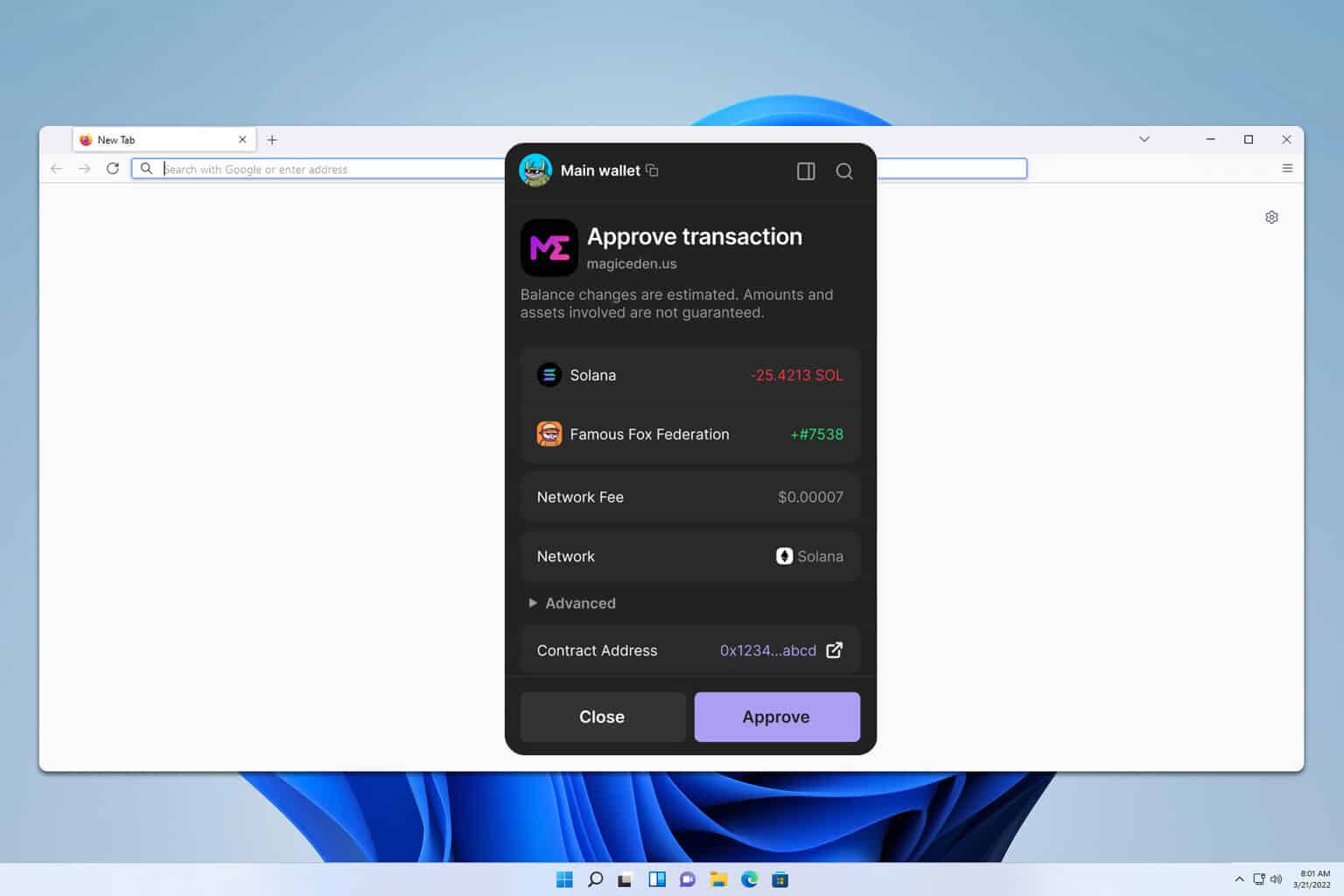
Here’s the thing. When dealing with NFTs on Solana you want speed and low fees. Phantom delivers both, which explains why collectors and traders gravitate to it. It integrates seamlessly with marketplaces and DApps, letting you sign transactions quickly while keeping fee visibility front-and-center so you rarely get surprised. But ease of signing means you must practice discernment, because a single mis-click can authorize a contract that drains assets—so teach yourself to read transaction details.
Hmm… somethin’ else to mention. The wallet’s token and NFT viewing experience is excellent. You can see image previews, metadata, and transaction history without hunting through explorers, which saves time. Yet, complex interactions—like interacting with staking programs or custom contracts—still require reading and sometimes a bit of research, because not every DApp is created equal. On one hand it’s convenient; on the other, that convenience creates a trust surface that must be managed actively.
Okay, practical steps. Start by installing Phantom only from reputable sources. If you want the browser extension, search official channels or use the verified link I trust for getting the browser add-on: phantom wallet download extension. Take a screenshot of that step or memorize the site—phishing sites are crafty and will mimic logos quickly. After installation, create a new wallet, write down the seed phrase on paper (do not store it in cloud notes), and consider a hardware wallet for larger holdings.
Whoa! Another quick reality check. Hardware wallets change the risk model meaningfully. They isolate your private keys so browser-based signing requires physical confirmation, which is huge when you want to stay safe during high-value NFT drops. I use a hardware device for collections I care about, though I’m not 100% evangelical—there’s a balance of convenience versus security that depends on your use case and tolerance for hassle. For many users the combo of Phantom plus occasional hardware confirmations hits the sweet spot.
Here’s a deeper bit. Review the permissions prompt before approving any transaction. Most people skip this because the prompts look harmless, and that is a huge mistake. Phantom shows details like program IDs and amount changes, but reading them requires a small habit shift; train yourself to pause and confirm. If you can’t understand what a contract does, don’t approve it—go research or ask in the community (oh, and by the way, community advice can be mixed so vet your sources).
Hmm, let me be candid. I once clicked approve on a contract during an excited mint drop and regretted it, though I got lucky. That gut feeling—”hurry up”—should have been a red flag. On the other hand, participating in drops demands speed sometimes, and that’s the tension: speed versus scrutiny. A better approach is preparing wallet whitelist settings, connecting via a throwaway wallet for risky events, or using a hardware-secured account for serious assets, which helps separate speculation from long-term holdings.
Seriously? UI details matter. Phantom’s in-wallet swap feature is fast and intuitive. Slippage settings are visible and adjustable, and you can route through multiple liquidity pools without leaving the extension, which saves time. That said, routing complexity and sudden liquidity changes can still cause failed or costly swaps if you don’t check slippage and fees, so set your parameters before hitting confirm and watch the quotes.
Whoa! About NFTs specifically. Phantom displays collections and lets you send items with a few clicks. But be careful with metadata: a display name isn’t a guarantee of authenticity. Use explorers to confirm token mint addresses and provenance, especially for high-value pieces, because fake listings and copycat collections exist. My recommendation is to bookmark official collection pages and verify mint addresses before buying, then store important NFTs in a separate, well-secured account.
Okay, for developers and power users. Phantom supports deep integrations and has developer docs that make connecting DApps fairly straightforward. Developers can detect wallet availability and prompt signing flows that feel native in the browser, which improves conversion on marketplace sites and game portals. However, every added permission or integration increases the attack surface; audit third-party code and prefer audited libraries for signatures and transaction composition.
Here’s the ending thought (not a neat summary, because I’m not tidy like that). Keep updating the extension; patches matter. Browser extension ecosystems change quickly, and Phantom pushes updates that close bugs and add safety features. I’m biased toward practical security: small habits add up, like locking your machine, using strong unique passwords, and keeping a recovery seed offline. If you adopt a paranoid, thoughtful posture you’ll be fine more often than not—even when the market moves crazy fast.
Checklist: Using Phantom Responsibly
Whoa! Quick checklist you can copy. Back up seed phrase offline, use hardware for big holdings, verify mint addresses, read transaction prompts, and keep the extension updated. Seriously, rehearse these steps until they become muscle memory, because when something goes wrong you’ll be glad you did. If you’re new, start small and learn by doing rather than risking high-value assets right away.
FAQ
Is Phantom safe for NFTs?
Generally yes, when used correctly. The wallet itself uses standard cryptographic protections, but safety depends heavily on user behavior, device hygiene, and whether you use hardware wallet support for valuable items.
How can I avoid phishing scams?
Only install Phantom from trusted sources, verify URLs carefully, never paste your seed phrase into websites or chats, and consider using separate wallets for different activities to limit blast radius if something goes wrong.